Mental health and well-being
Healthy Lifestyles Initiative
Related content:
Healthy Lifestyles InitiativeField Notes from Thailand’s Southern Border Provinces
I arrived in Hat Yai late at night on September 22, 2025, tired from travel and still half-living in a European time zone. I had come straight from Milan, Italy, where I had spent the past week presenting a research paper at an international conference. Juggling my PhD studies alongside full-time work means that most of my research happens in the evenings, on weekends, and during annual leave. The conference had been intellectually stimulating, filled with conversations about research and new ideas, and with opportunities to meet leading scholars from around the world. By the time I landed in Hat Yai, I was running on the adrenaline of knowing that soon I’d be heading to a place I had never been to before.
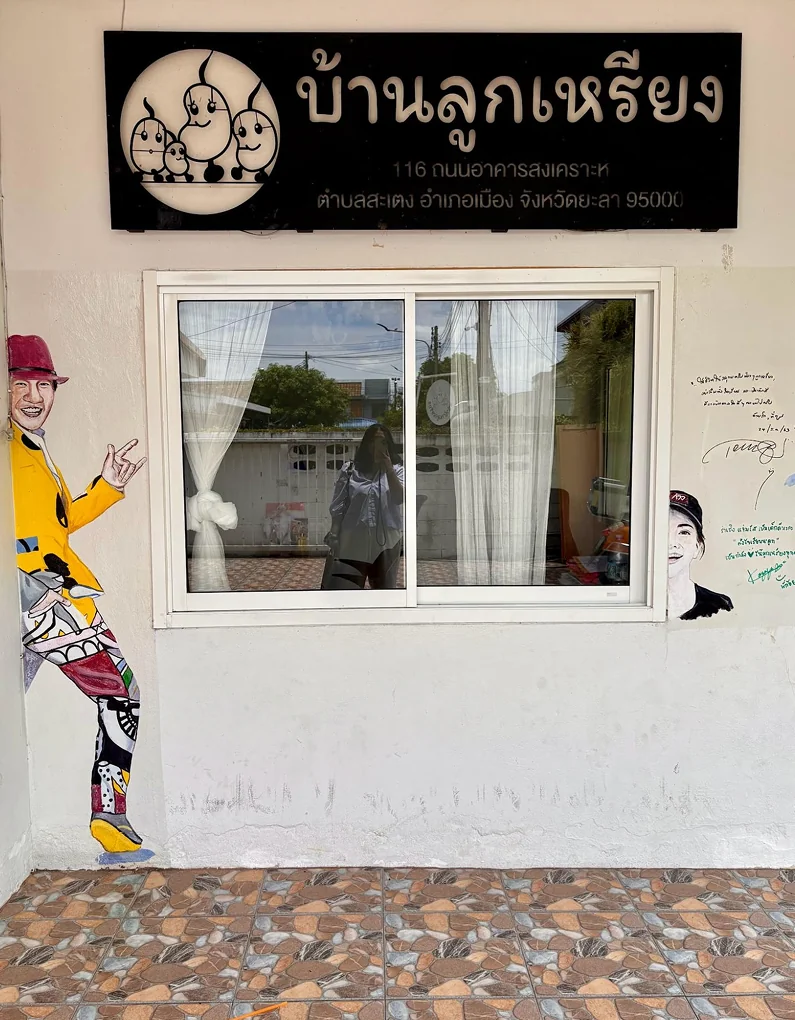
I was there as part of a qualitative assessment of a youth-led healthy lifestyle initiative being implemented across the Southern Border Provinces (SBPs). The assessment aimed to understand how young people experienced the program in practice and how it may have influenced their knowledge, confidence, and everyday choices through group discussions. This was my first time in the SBPs and before arriving, I felt a mix of curiosity and uncertainty that comes with working in a place I had never visited (or only heard of in the news). Over the course of the week that I was there, those feelings began to change through careful listening of long conversations over shared meals.
Despite the jet lag, I felt unexpectedly alert. Our first day was spent around a large wooden table with the Luukrieang team. We walked through the research tools, facilitation plans, and ethical considerations, as well as the many small adjustments that fieldwork requires. We paused for lunch and shared home-cooked Thai Southern dishes, and wrapped up in the late afternoon. That evening, I went out to find dinner in the city and found that it did not match my expectations I had before arriving here. I had imagined that the city would be much quieter at night. Instead, the streets were lively, with people gathering, out for tea and roti, sitting and talking, enjoying the evening. That night, I went to bed early, knowing the days ahead would be long.
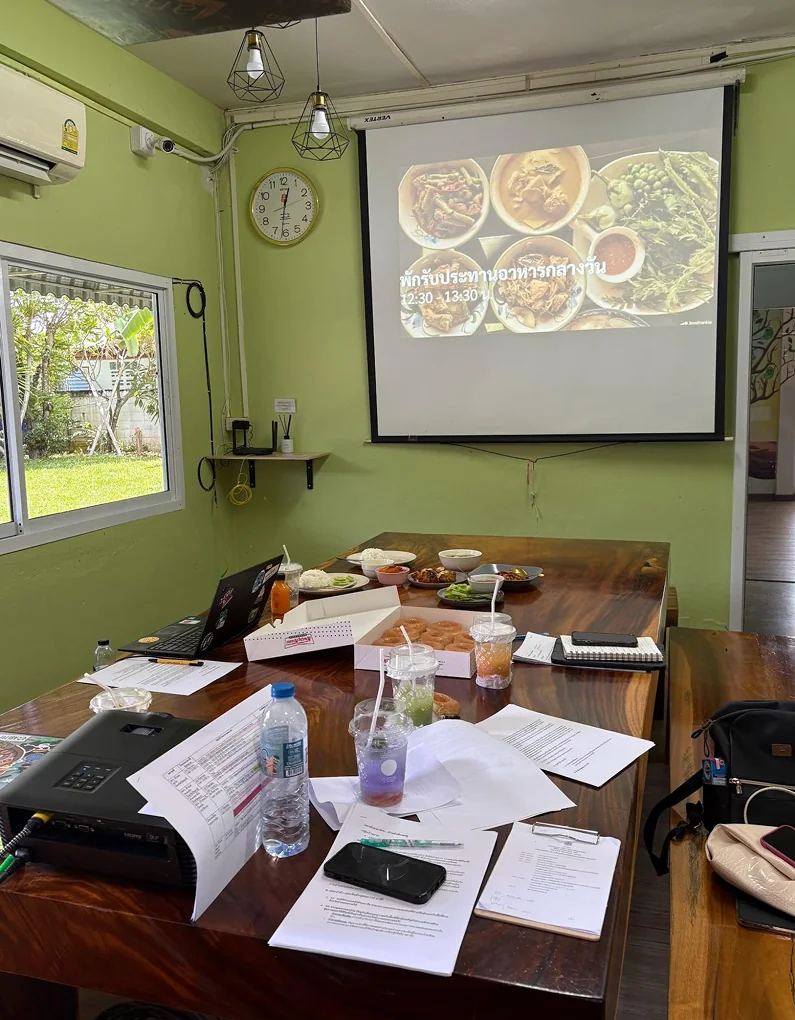
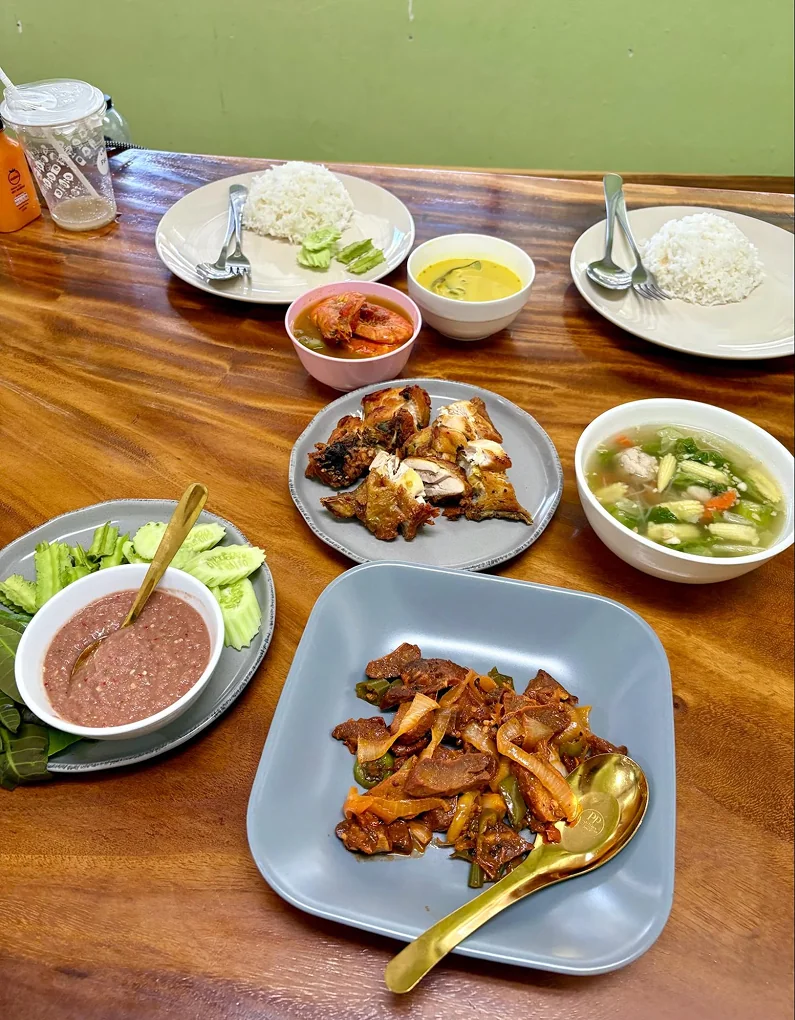
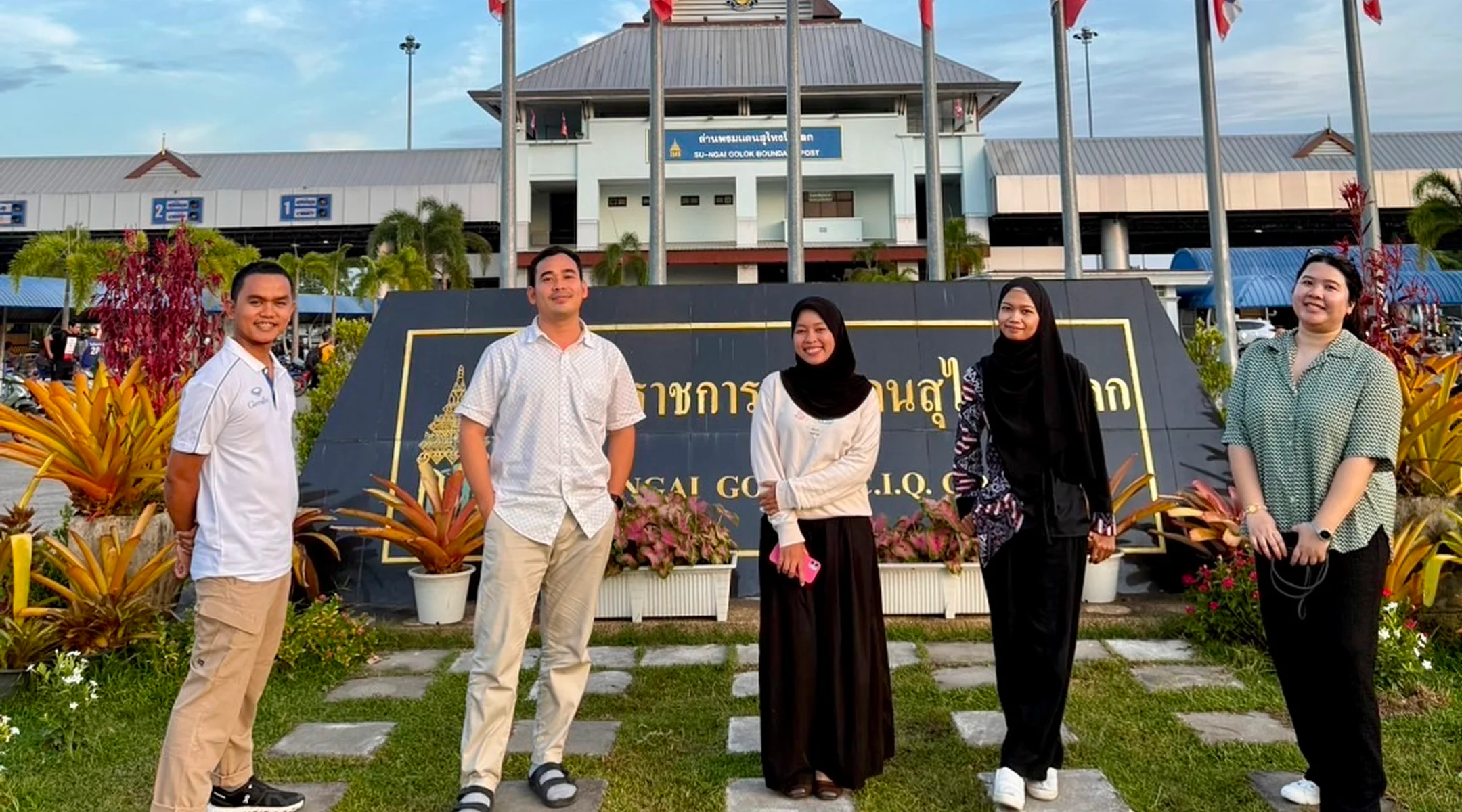
Over the next few days, we moved between District Learning Encouragement Centers (DLECs)—ศูนย์ส่งเสริมการเรียนรู้ระดับอำเภอ (สกร.) across Yala, Pattani, and Narathiwat provinces. Most nights, we stayed in Yala, with one night in Su-ngai Kolok District, Narathiwat near the Malaysian border to reach one of the furthest sites—Waeng District DLECs, Narathiwat province. Passing through checkpoints, our car slowed down, while authorities asked where we were coming from and where we were heading to. Those moments gave me a small glimpse into the security context of the SBPs. At the same time, I noticed how the local people moved through their days with a sense of normalcy.
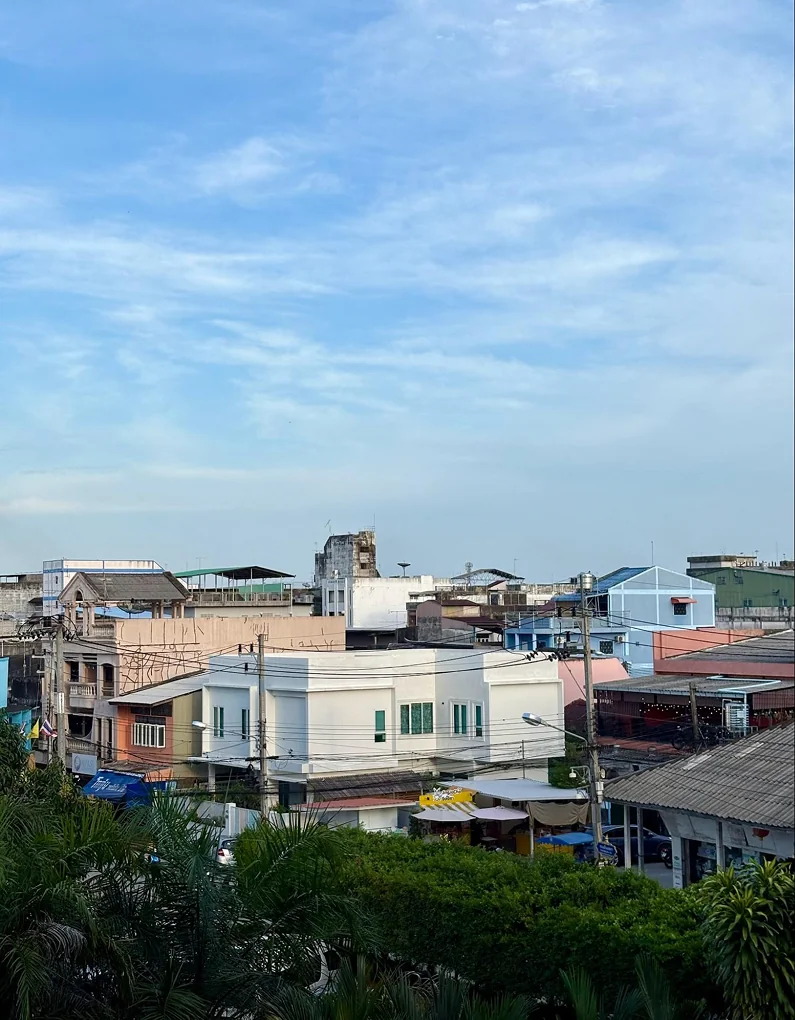
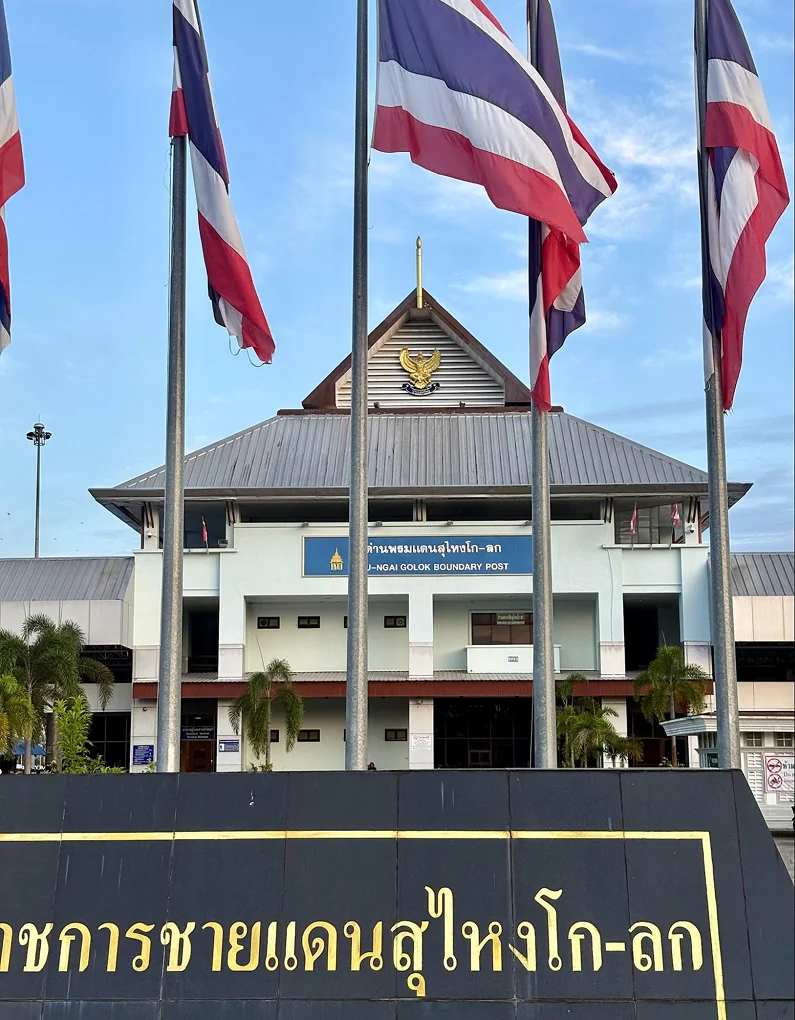
Our base to reach one of the furthest DLECs for our fieldwork.
Each session at the DLECs felt slightly different. Youths spoke easily from the start while in others it often took time for them to warm up. They were often quiet at first, mainly observing and listening. We reassured them that there were no right or wrong answers and that we were there to learn from them. Gradually, they began to speak more.
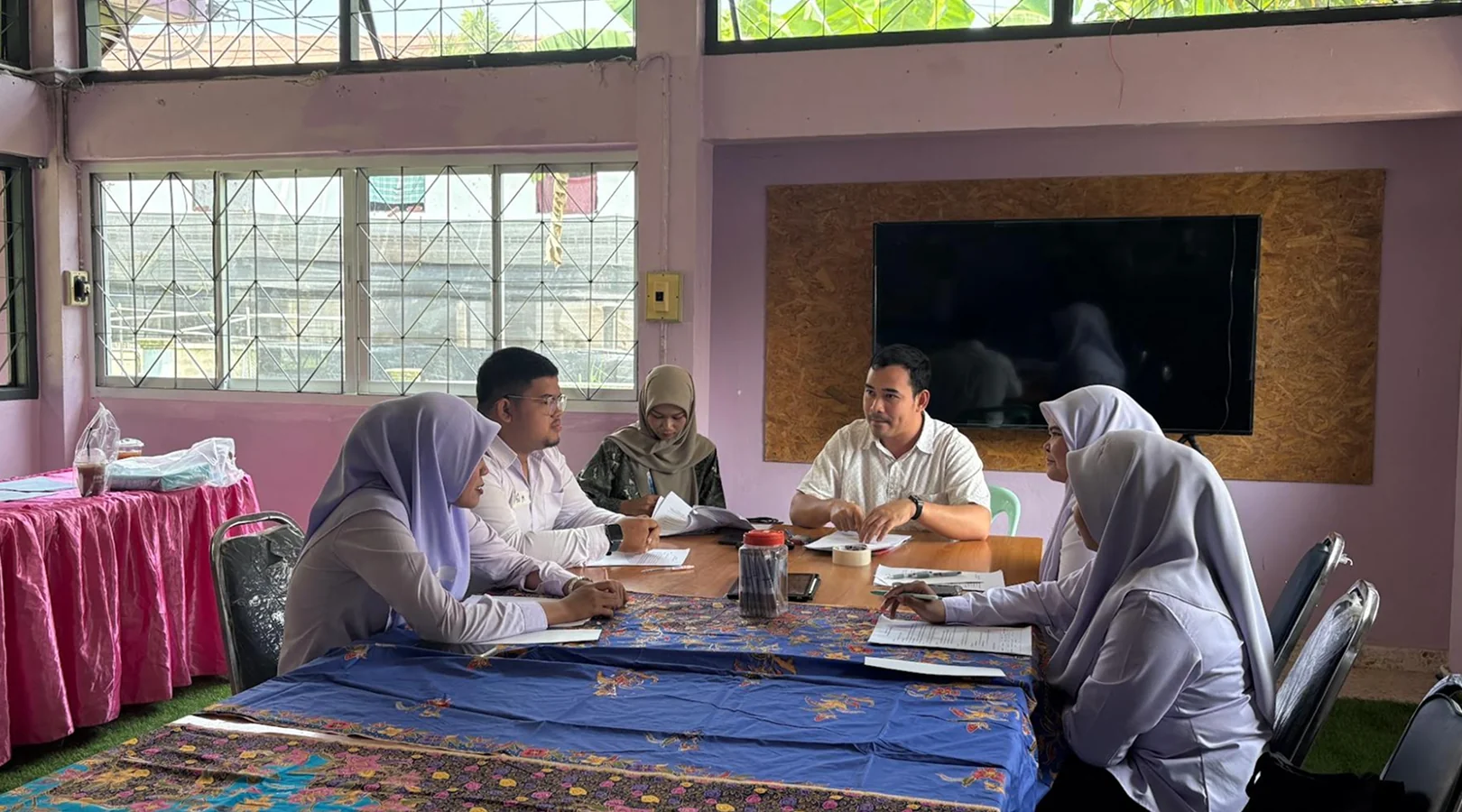
Food came up often in discussions about healthy lifestyles. They were grounded in their daily routines shaped by school, work, and family responsibilities. Choices on what to eat were based on what was affordable and easily accessible. Snacks were bought on the way to class, and some meals were shared at home, the occasional tea and roti at night. These were not described as ideal or unhealthy, but just practical; they just reflected how choices are made in the context of their real day-to-day life.
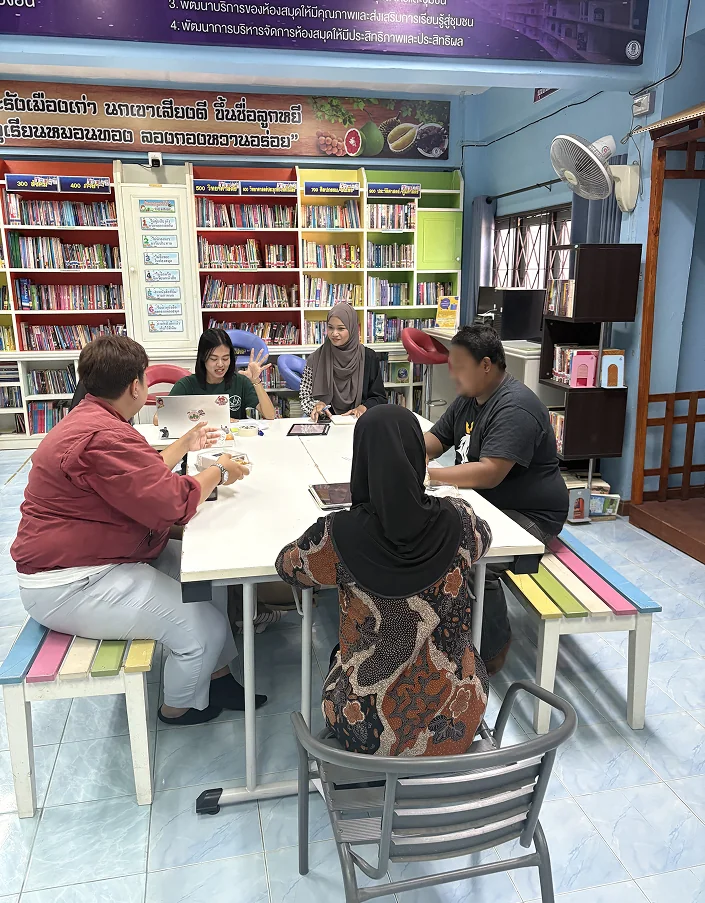
Before this trip, I assumed that the main impact of healthy lifestyle initiatives for youth would be an increase in knowledge about nutrition. Sitting in these sessions throughout the week, I realized how incomplete that assumption was. Many of the youth participants described not only improved awareness and understanding of a healthy lifestyle, but also greater confidence in expressing their views. Some shared that they felt more comfortable speaking in groups, while others shared that they wanted to pass on what they learned to friends and family.
At the same time, the constraints they faced in putting healthy lifestyle choices into practice were clear. As some youth try to balance work alongside their studies, factors like time, energy, affordability, and accessibility all shape what is possible in their daily lives.
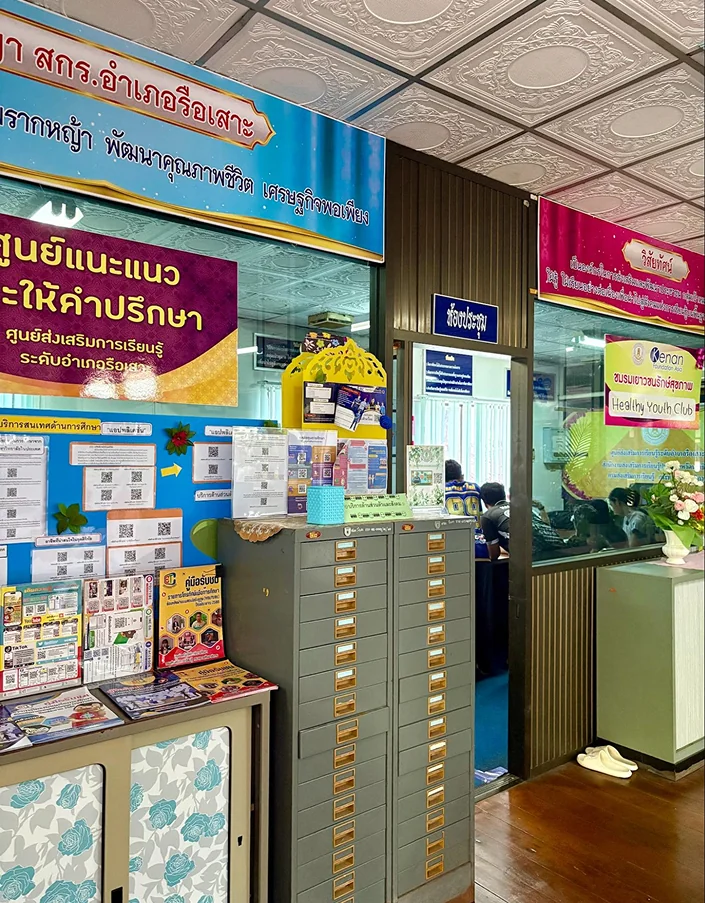
A dedicated space for participants to gather and learn.
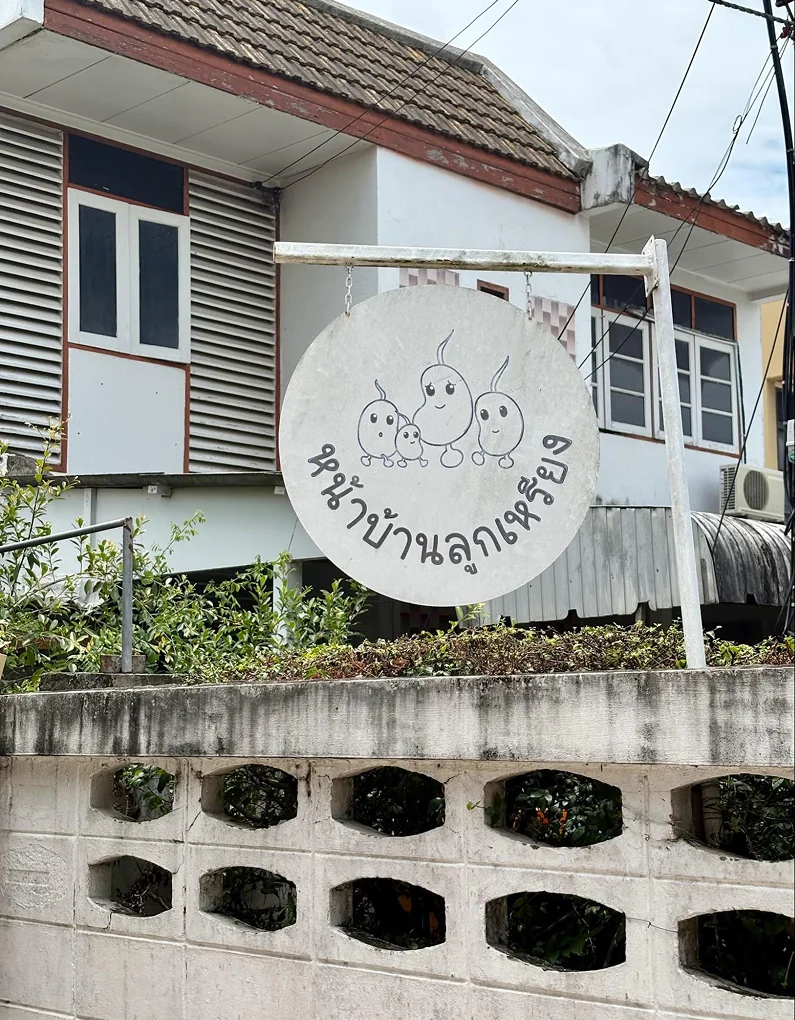
Working alongside Luukrieang was one of the most meaningful parts of the fieldwork. As a youth-led organization based in the SBPs, they have built strong relationships with youth and communities over many years. Their understanding of the local context and the trust they had established shaped every part of the process. They were highly adaptive, responding to the schedule, and participant needs with care.
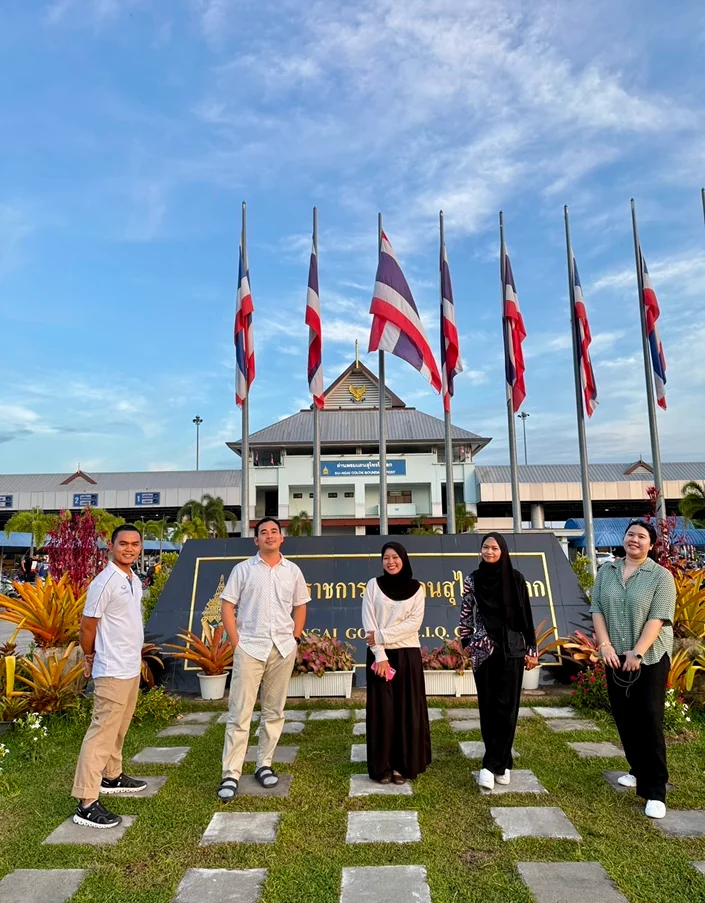
Like many people outside the region, my impressions of the SBPs were largely shaped by news coverage of security incidents. What I experienced was far more layered than that. Despite security checkpoints being a routine part of moving between districts, daily life continued with resilience and a sense of aspiration. Youth spoke about their futures with hope, even as they navigated the complex realities that shaped their daily lives, responsibilities, and local opportunities. Surveys and indicators are important but they cannot fully capture how programs are experienced on the ground.
Fieldwork like this reinforces the value of listening closely in context, as it helps reveal what it takes for healthy lifestyle choices to be achievable in practice, given the realities the youth face every day. Changes in knowledge or attitudes can happen through creating spaces where youth feel heard and valued, which can strengthen their confidence to participate, express their views, and contribute to their communities. The most meaningful insights can come from just sitting down, sharing a meal, and listening carefully.