Mental health and well-being
Mindful Makers
Related content:
Mindful MakersAn Indonesian doctor learns that tone matters as much as truth
Clarin Hayes didn’t plan on becoming a content creator. In 2017, while still early in her medical career, a friend invited her to contribute to a YouTube channel, Kiflyf, on the topic of general health. The experience showed her that reliable health information could reach people beyond textbooks and clinics, and that she could play a role in making that happen.
That motivation pushed her to move to TikTok in 2020, just as the platform was gaining popularity during the pandemic. She noticed more creators using it to share educational content and more users turning to it for answers. For Clarin, it became a way to make medical topics more accessible while keeping the information reliable.
Working largely on her own, Clarin has always felt a strong responsibility to verify everything she shares. Even with support from editors, she double-checks sources and cross-references with up-to-date scientific journals. The pace of content creation, often posting once or twice a day can be overwhelming, and the weight of getting it right sits almost entirely on her shoulders. She once tried using AI to help draft scripts, and also explored collaborating with other doctors. In the end, she still had to re-check everything herself, which often doubled the work.
She came to realize that the key message of the content, what she called its ‘DNA’, had to come from her.
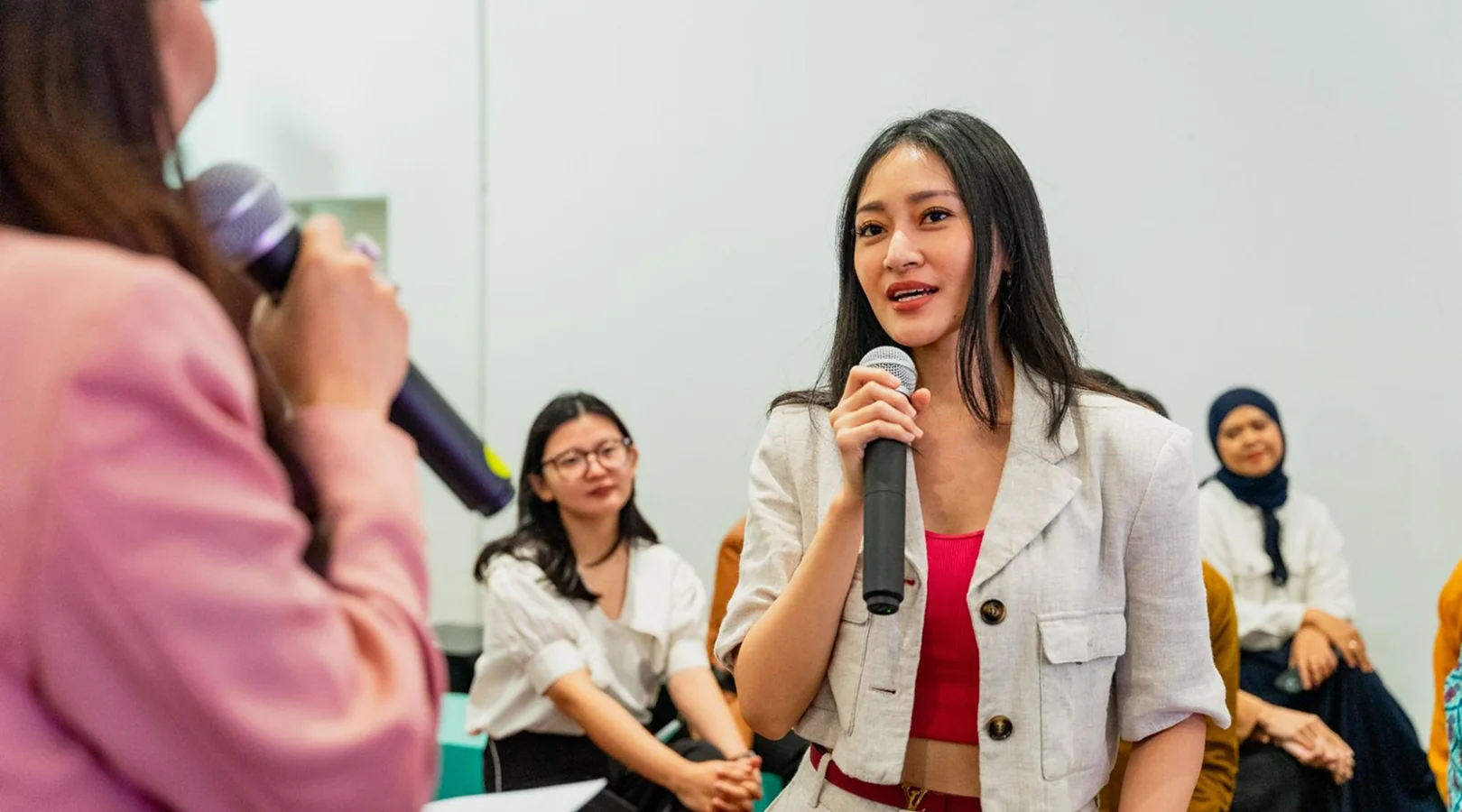
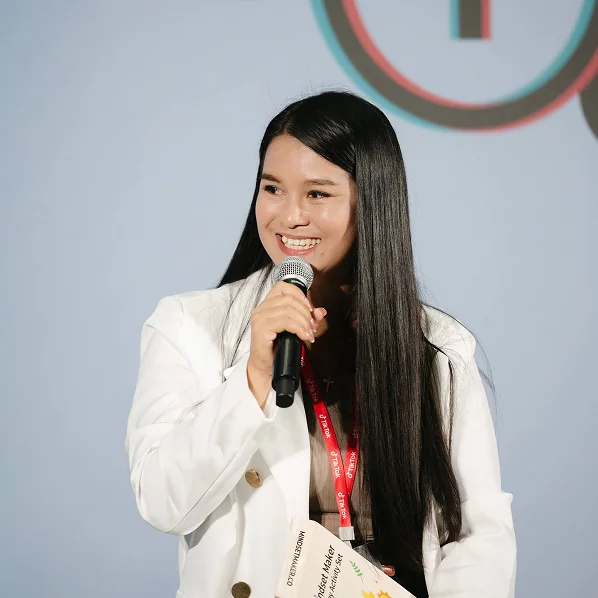
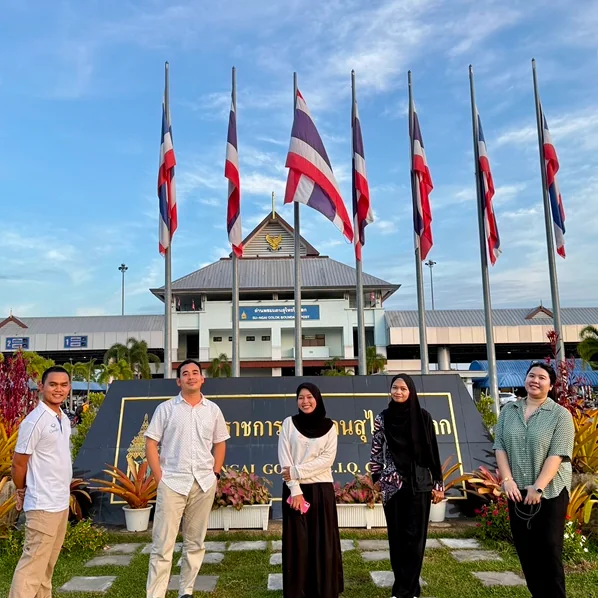
Her approach made her a natural fit for Mindful Makers, a Tiktok and World Health Organization (WHO) supported program that builds the capacity of local content creators and NGOs in Indonesia and Thailand (alongside creators from WHO Fides Network) to amplify locally relevant, evidence-based mental health content and resources to reach millions of people.
It was an opportunity to refine her messaging and receive structured feedback, something she doesn’t always get working alone. During one small-group session, she received feedback that a phrase she used, though intended to inform, might unintentionally scare some viewers. “I never realized that before,” she said. “My goal was to inform, but I learned there are ways of saying things that do not create fear.” This insight led her to focus more deliberately on tone, being mindful on how to talk about health with awareness of how certain topics may affect people emotionally.
“Even though I’m a doctor, I’m still human,” she said. “Some topics require a firm approach, but others call for more understanding.”
One of the things Clarin appreciated most about the program was the diversity of people involved. With psychologists, doctors, mental health advocates and creators from different backgrounds, she never felt a sense of competition. Instead, each person brought a unique perspective, creating opportunities to learn from different disciplines and generations. For Clarin, the strength of the group came from how those differences complemented one another, allowing everyone to contribute in their own way.
At the campaign’s closing livestream, when creators were asked to share a final reflection, Clarin spoke about humility.
“For me, the most important thing is that we have to have the humility to keep learning. No matter how big your credentials are, I believe that with all our different backgrounds, we can come together and learn from one another.”
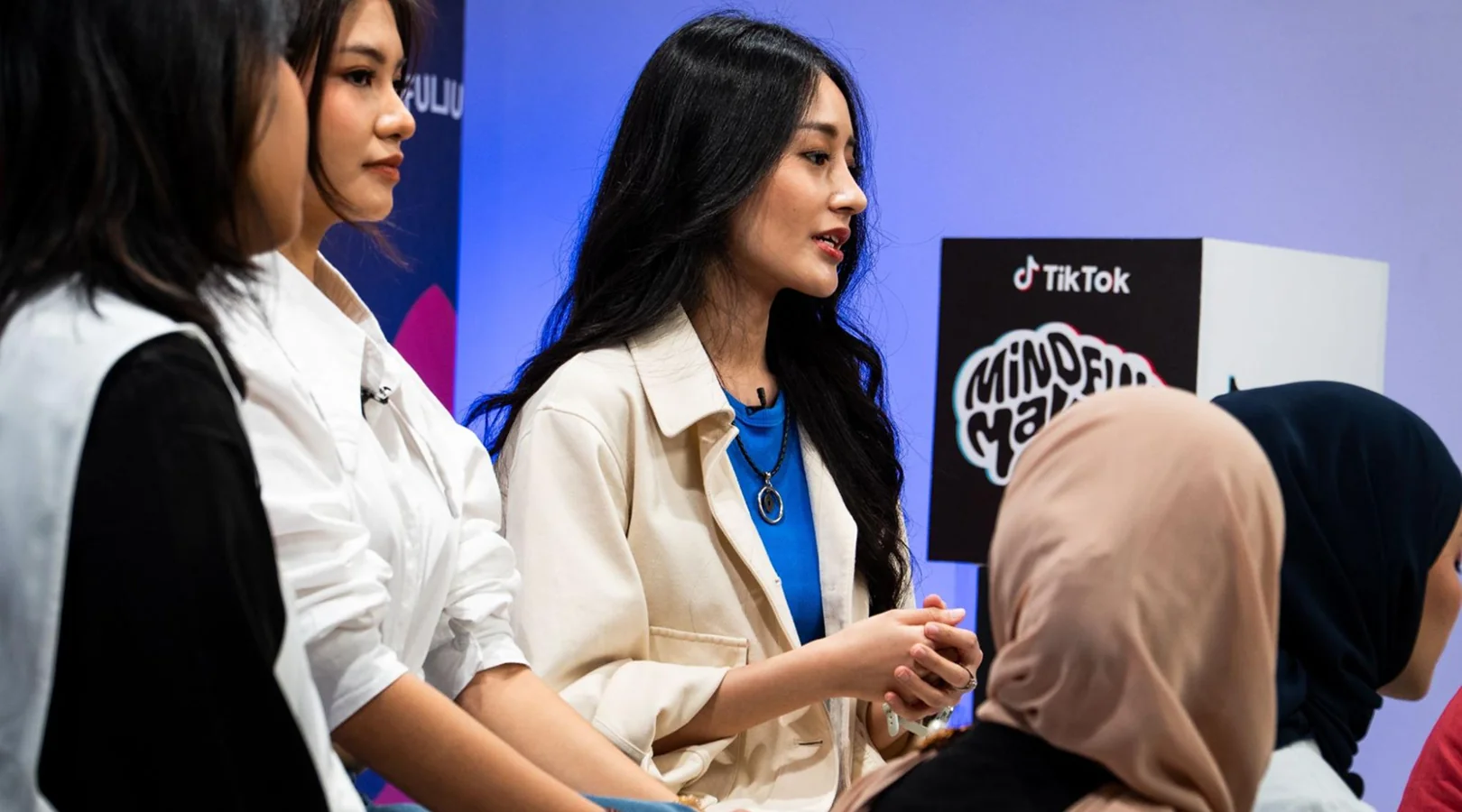
After the campaign, Clarin became more mindful of how her words might be received, especially by emotionally vulnerable viewers. Recognizing that some topics need to be delivered with empathy while others benefit from a more direct approach. This also reinforced her responsibility as a medical professional to communicate clearly and carefully. She also began thinking beyond TikTok, exploring the idea of creating a toolkit that people could read at their own pace, without needing to rely on social media.
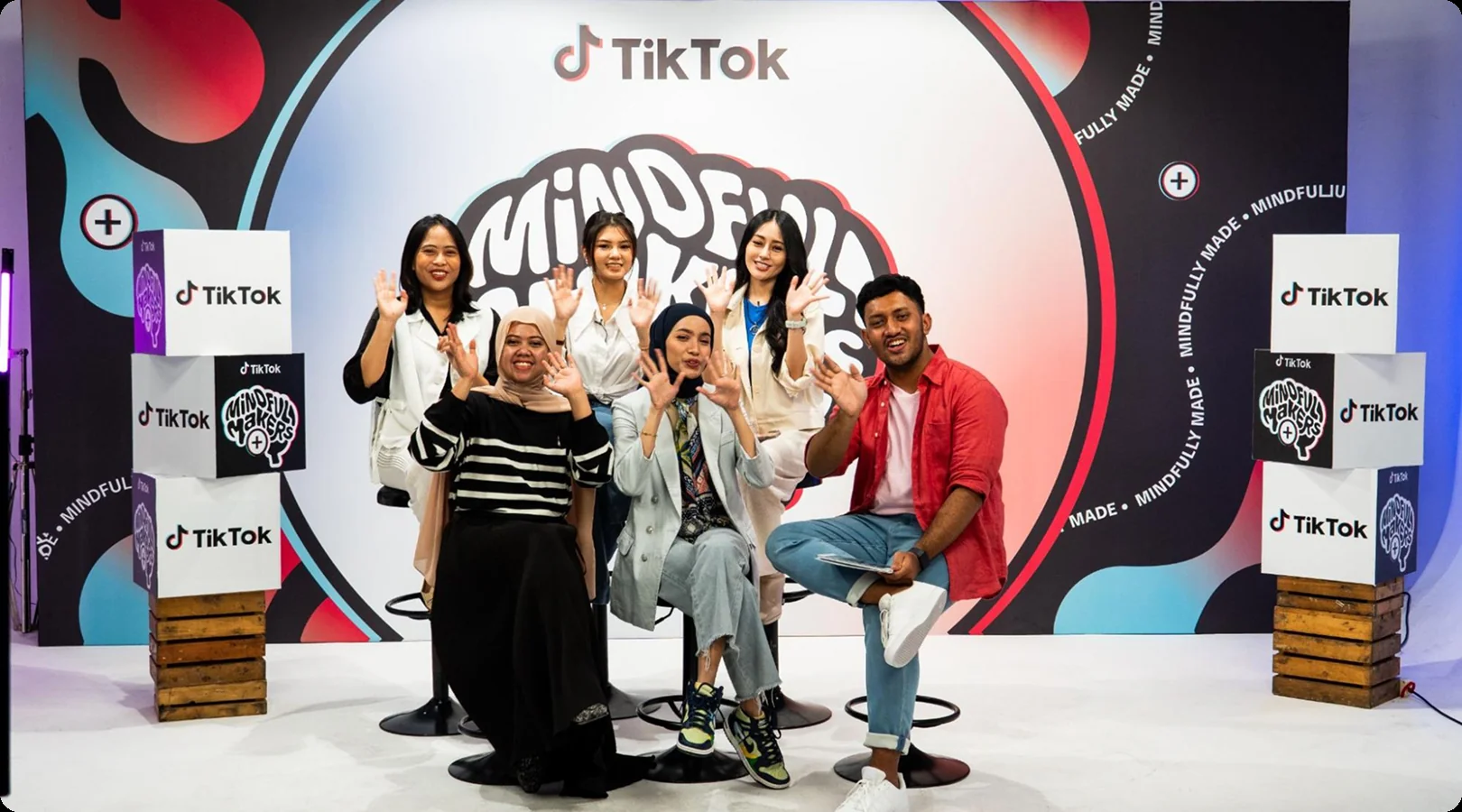
Looking ahead, Clarin wants to focus more on anti-aging and how it relates to overall well-being, an area she feels is often misunderstood. “Some people are obsessed with staying young, while others stop caring for themselves altogether,” she said. “I think we need to find a healthier middle ground.”
She is also interested in developments in longevity research. “They are already starting to develop longevity treatments in places like Abu Dhabi,” she said. “It will take time before those reach Indonesia, but I want to be the one to share that news with my audience when it does.”