Building Democracy, One Conversation at a Time
El Rasontha’s Story|Written by Cenna Fikri, Program Manager
An international relations student finds her voice through digital advocacy and unexpected leadership
The webinar was about to go live. El Ratsontha and her four teammates were managing every detail themselves: technical operations, moderation, documentation, real-time problem-solving. They had spent months preparing a campaign on a topic rarely discussed in youth spaces—the voting rights of people with psychosocial disabilities in Indonesian elections.
“We held it together,” she said later. “We worked closely for the smooth running of a program handled by only five people.”
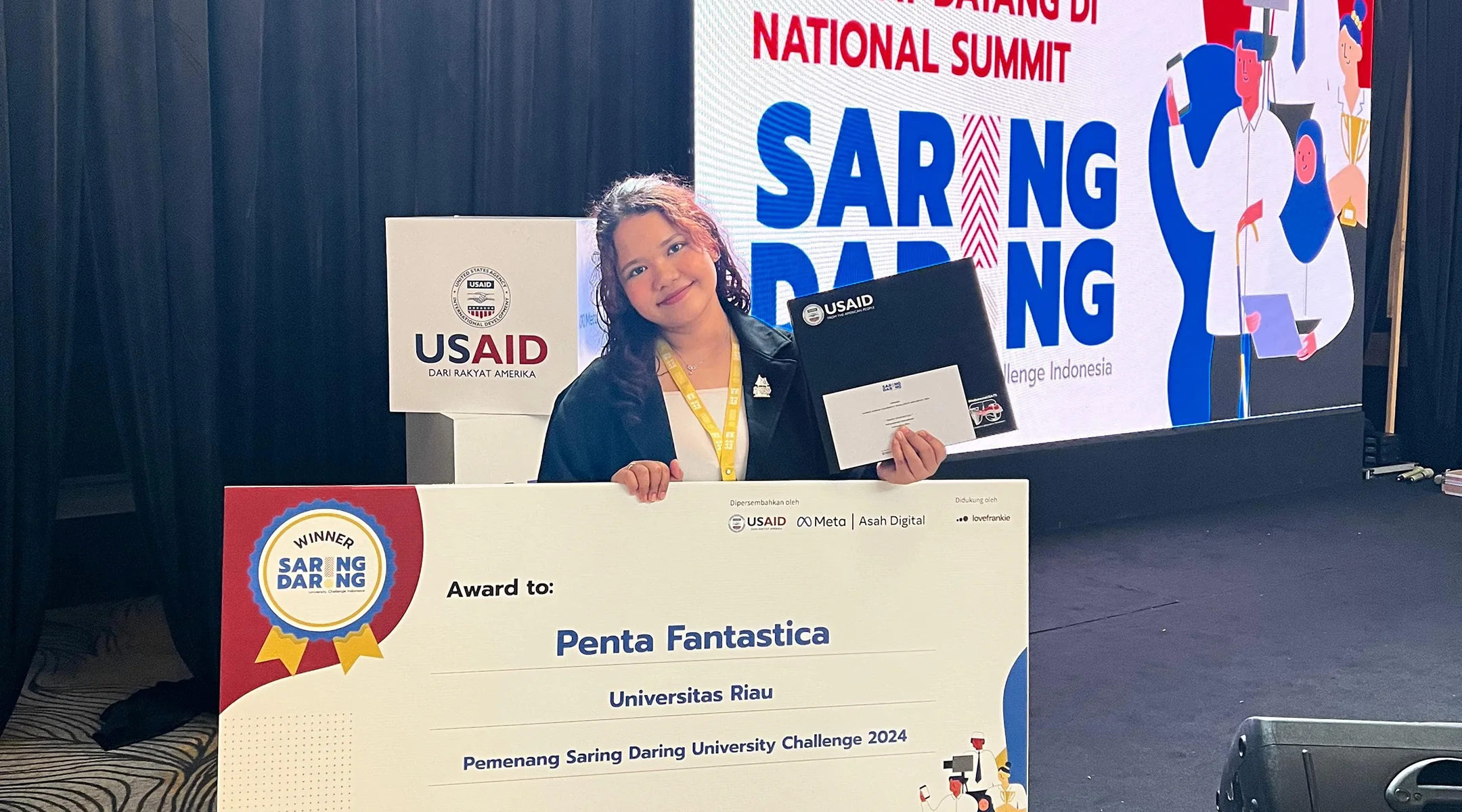
El had heard about Saring Daring through a lecturer, who introduced it as a collaboration with international partners, USAID and Meta. As an International Relations (IR) student, she saw it as a rare chance to take part in a real-world initiative connected to global actors, not just engage in theoretical discussions about them.
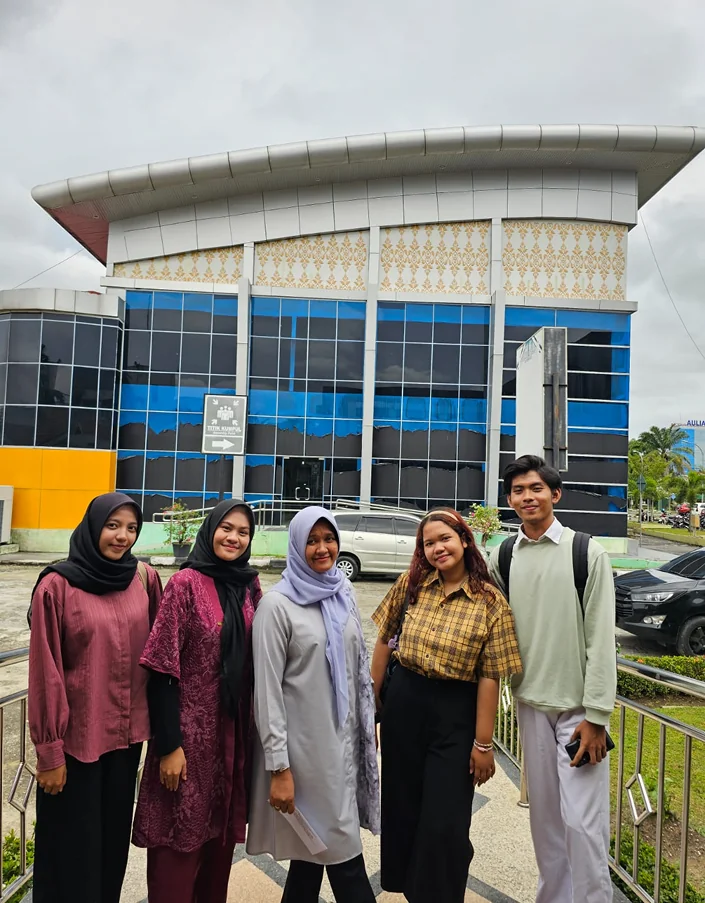
She had already been through the long process of building a campaign with her group, Penta Fantastica—a five-person team. At the start, they were not close, but over time, through repeated meetings and shared pressure, they developed the trust and rhythm that strong teamwork requires.
“I grew alongside them in this program.”
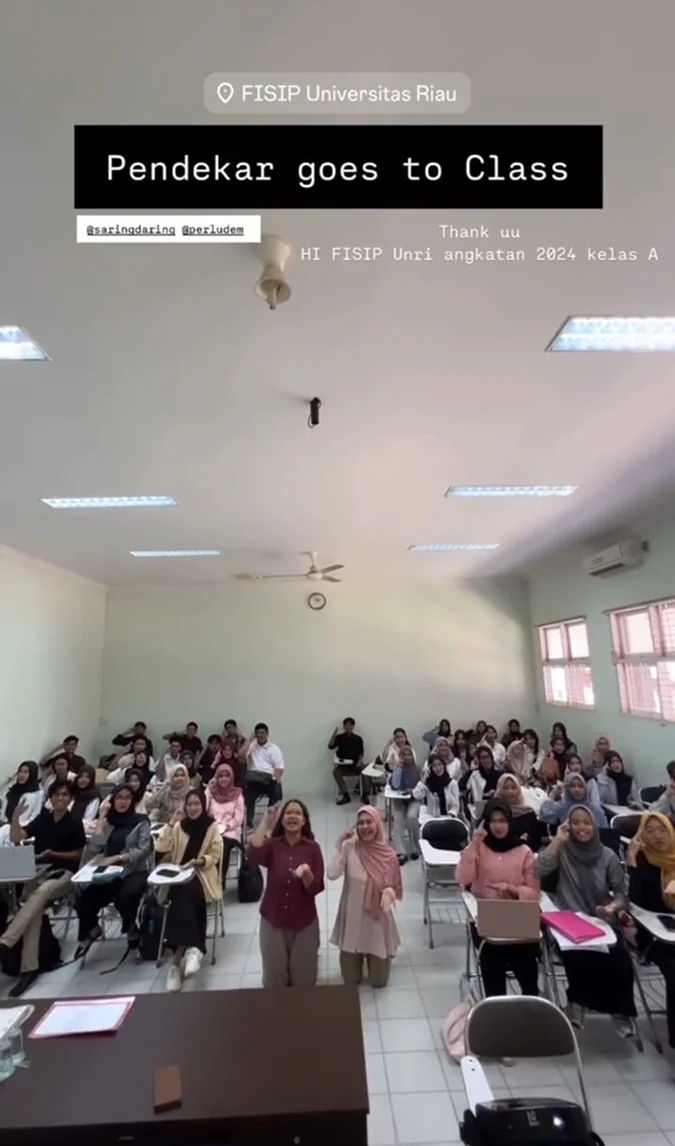
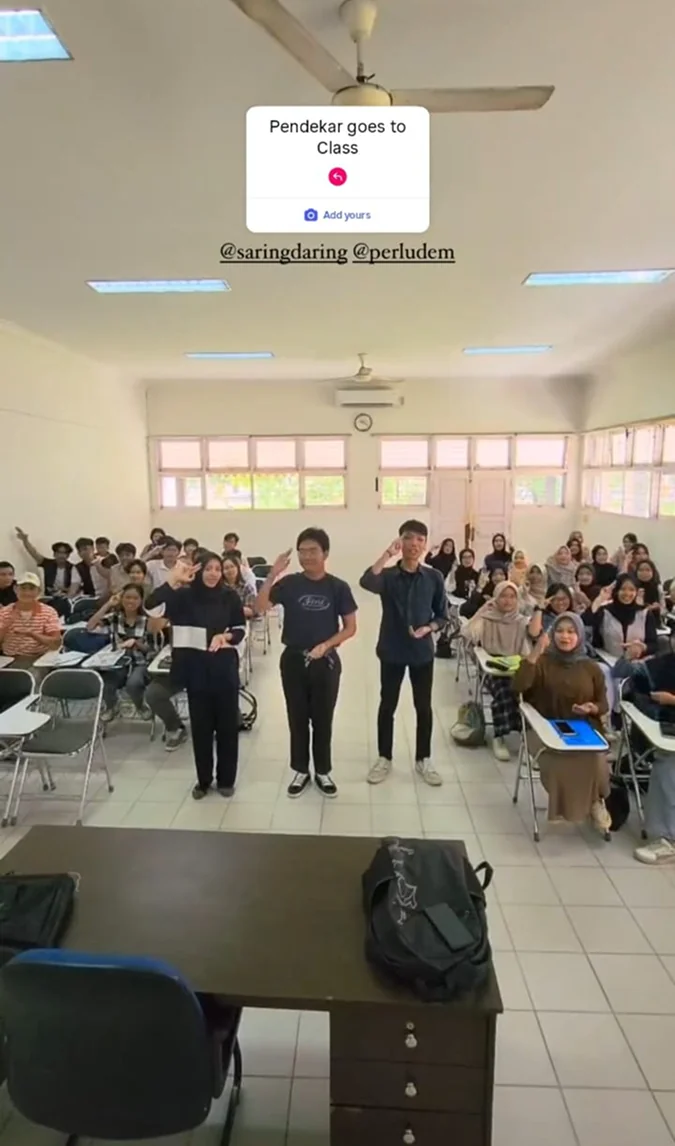
Their campaign centered on a topic rarely discussed in mainstream youth spaces: the voting rights of people with psychosocial disabilities (ODGJ) in Indonesian elections. As they prepared for their webinar, titled Penyelamat Demokrasi (Saving Democracy), El found herself facing a challenge she had never encountered before which was working with external stakeholders.
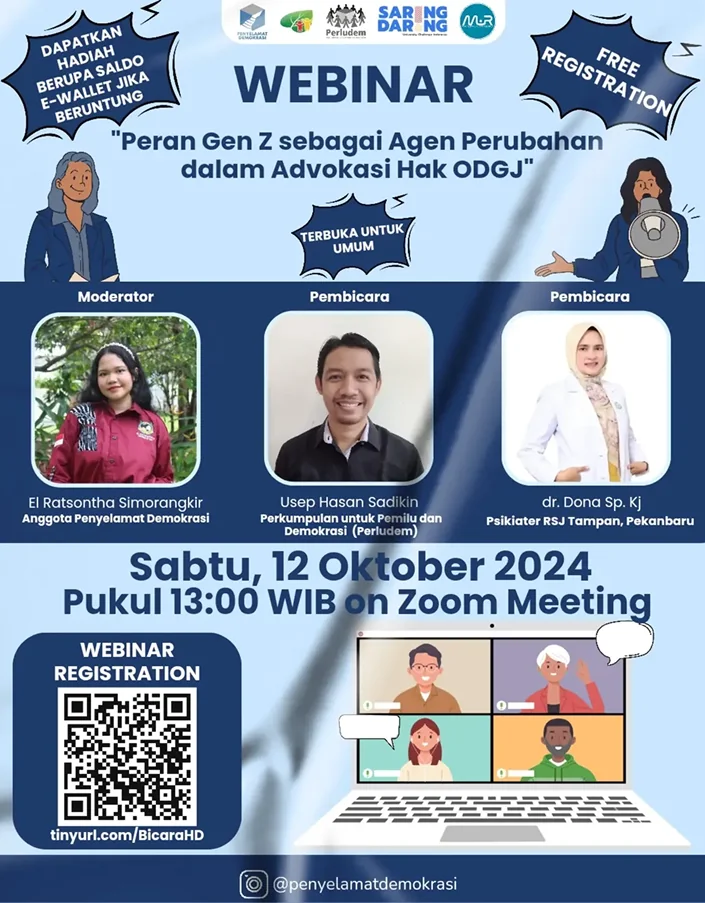
The team needed speakers and institutional partners with credible voices. They coordinated with representatives from Rumah Sakit Jiwa Tampan, a psychiatric hospital, and connected with Perludem, one of Indonesia’s most respected election monitoring organizations, through the program’s CSO partnerships. El had never formally collaborated with organizations outside her campus before, and the communication and relationship-building felt daunting at first.
“I thought... wow. I could actually build connections in this program,” she said.
As the campaign’s project manager, she grew into the role of coordinating the team through each stage of the webinar’s preparation.
El credits much of her growth to the program’s combination of training, mentoring, and practical campaigning support, particularly the guidance of her team’s mentor, Kak Ai from Meta.
At one point, the group felt intimidated, as they were competing alongside teams from well-known universities. They questioned whether their campaign would be strong enough. But through Kak Ai’s mentoring, they learned how to sharpen their message, strengthen their strategy, and run a digital campaign effectively. “We became more confident,” El said. “And we learned practical tips for running the campaign.”
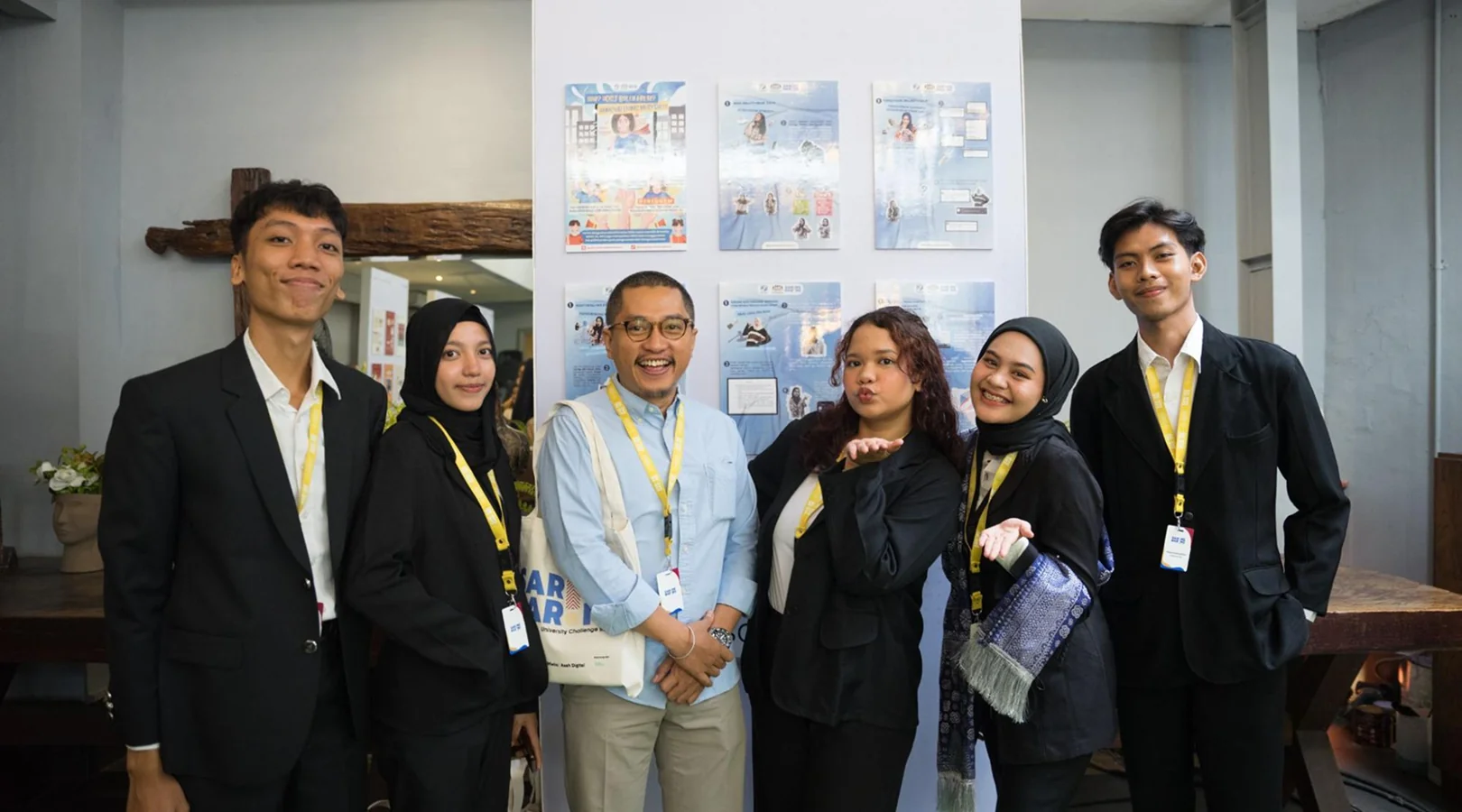
Saring Daring also provided campaign support, including boosted posts through Meta, which helped the team reach a wider audience. They were determined to share accurate information and challenge stigma around ODGJ, and for the first time, El saw their work go beyond their immediate circle.
Despite the positive nature of their campaign, the team encountered something they had not anticipated —hate speech.
As part of their outreach, they collaborated with Kak Gem, an influencer who was popular at the time. Kak Gem presented with a ‘tomboy’ style and appeared in a video supporting voting rights for people with psychosocial disabilities.
The collaboration video drew discriminatory comments, with some viewers attacking her appearance. El was shocked, not only by the cruelty, but by the fact that discrimination could emerge even within a campaign that was explicitly about inclusion and democratic rights.
One of El’s own teammates, also a woman with a tomboy appearance, in an Instagram post, received similar discriminatory comments. What El remembers most is how the team responded. They did not retaliate or mock the commenters, but replied firmly and respectfully, choosing not to escalate.
It showed El that digital democracy is not only about the right to speak, but about choosing not to respond in kind when others are cruel.
Alongside the hate, El also received feedback that reminded her why their work mattered. The team was based in Pekanbaru, their offline activities were limited to their local area. But their campaign began reaching people in Makassar and beyond. Some students messaged them asking if the campaign existed in their city too while others asked for webinar recordings to use as academic sources for their thesis.
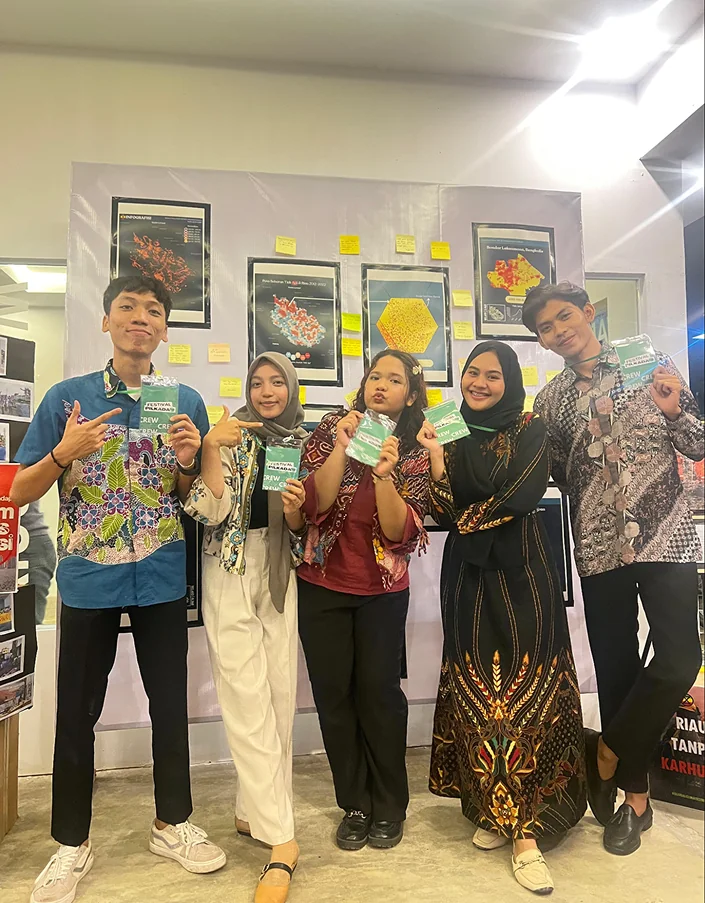
For El, this was deeply meaningful. It was proof that the program did not end at their university gate. Their content created a ripple effect, one that reached people they would never meet.
“We were happy,” she said. “Because we were able to have a positive impact on others.”
Perhaps the most lasting change for El is the way she now processes information online.
Before Saring Daring, she admitted she often reposted content without reading carefully or verifying it. Now, she cross-checks first, especially on political issues, by consulting official news sources and confirming facts before sharing.
She also learned what accountability looks like in practice. El recalled a moment when she once posted misinformation on X (formerly Twitter). After realizing the information was incorrect, she deleted it and posted a disclaimer with the corrected facts.
Rather than feeling ashamed, she saw it as part of becoming a responsible digital citizen which includes being willing to correct yourself publicly.
El does not claim to have a grand plan yet, but she knows her direction has changed.
Today, she is writing her thesis examining how multi-stakeholder partnerships, including international organizations, create impact in digital literacy programs. Saring Daring serves as her central case study, and she interviewed the Love Frankie team as part of her research. She says that studying the reality of Indonesia’s low digital literacy has made her more motivated to return to this field in the future, whether through community development, program design, or advocacy.
The program also influenced her career ambition. Since joining Saring Daring, El has developed a clear aspiration—to work in an organization that creates social impact, be it at national or regional level.