AI ethics and literacy
Future Feature
Related content:
Future FeatureA computer science student reflects on the responsibility behind building and using AI
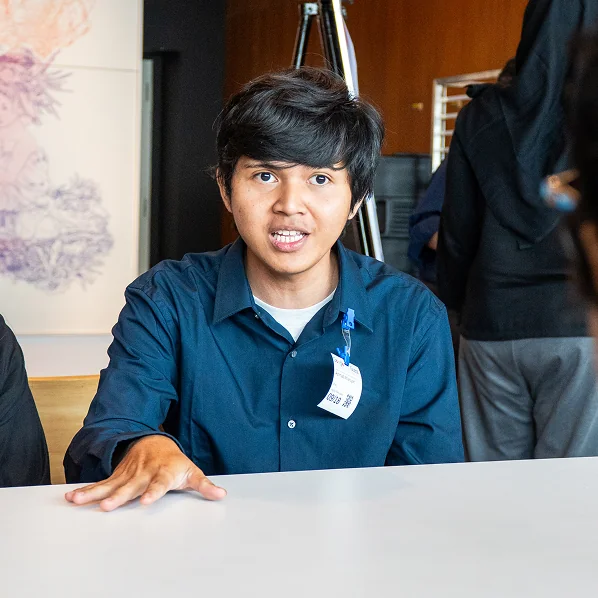
Muttaqin Muzakkir, a third year computer science student at Universitas Indonesia, already had a positive view of artificial intelligence (AI) long before joining Future Feature. AI was something he encountered regularly through his studies and personal projects, using AI to assist with tasks and experiment with new ideas. On the other hand, his awareness of AI policy was limited to the occasional controversy on his social media feed which included debates around AI-generated art or copyright disputes. How governments and institutions actually approached AI day-to-day wasn’t something he had seen or thought about.
Through the program’s workshops, he was introduced to “the whole picture about the policy scene in AI.” Those insights include, how it’s developed, how governments consult different stakeholders, and how regulation involves far more than just responding to public controversies.
“It opened my eyes,” he said. “Before that, as a consumer, I never really thought about policy around AI, I just used it.”
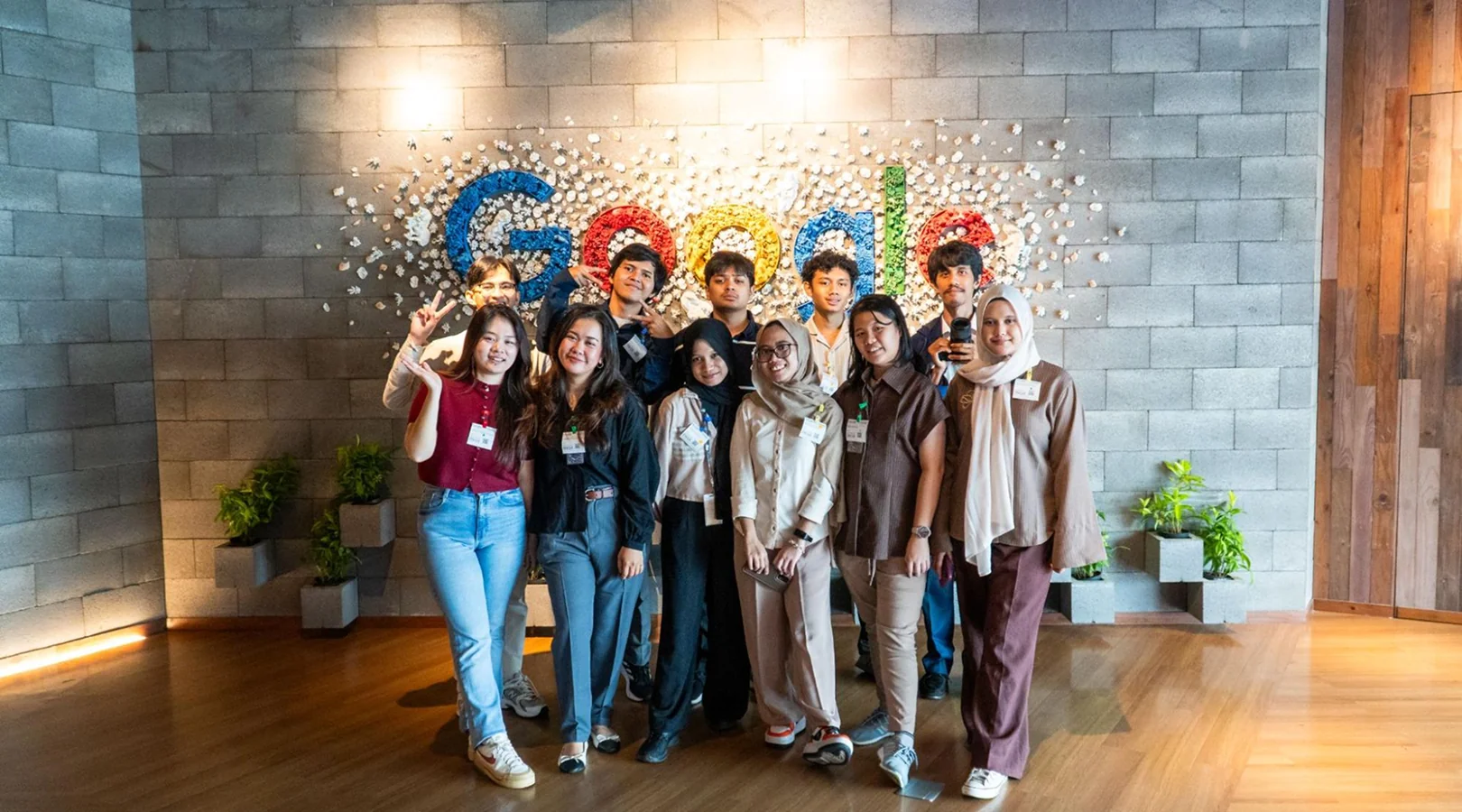
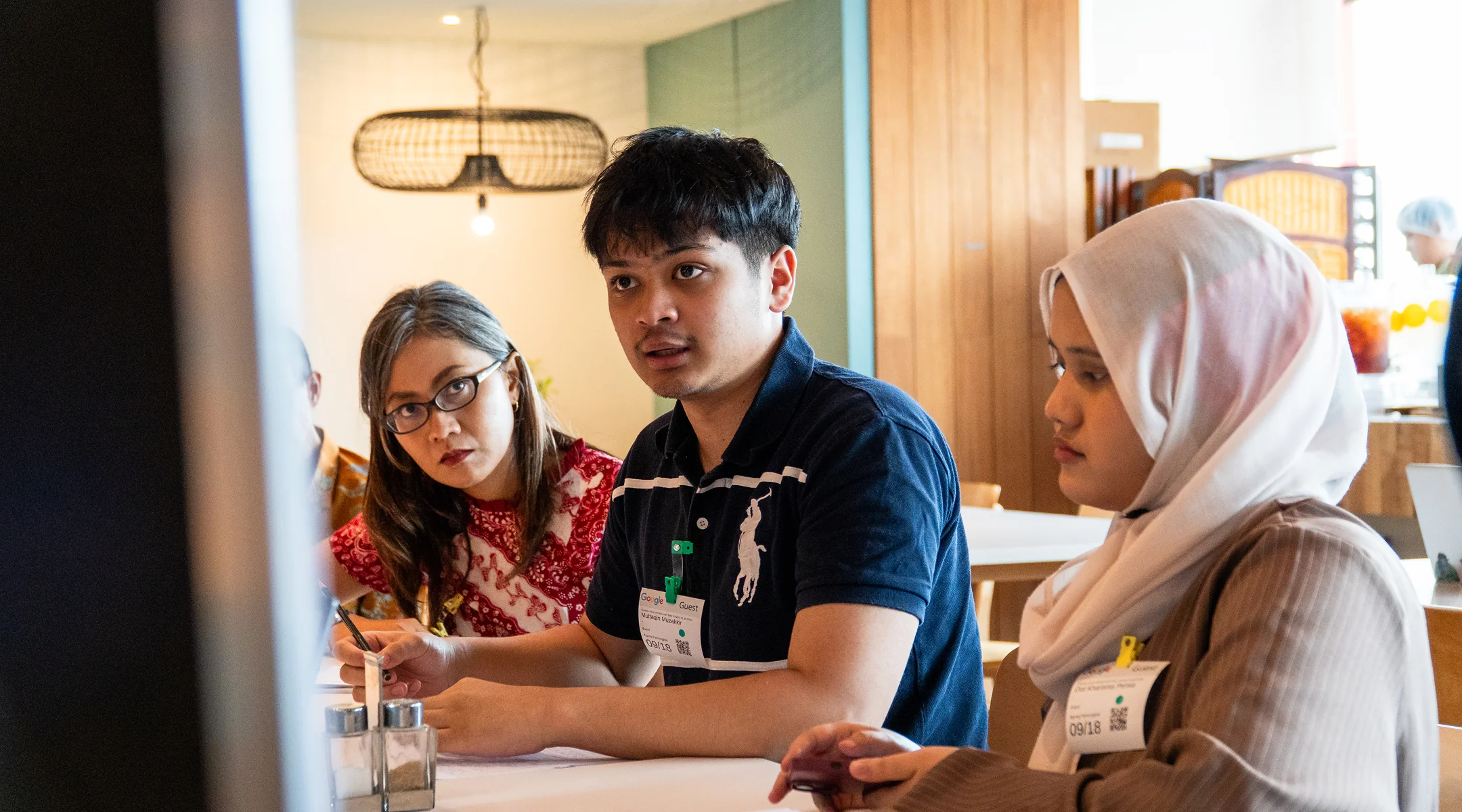
Muttaqin was then selected to be one of the student ambassadors to join the program’s AI Policy Roundtable in Jakarta, where students sat down with academics and policymakers to discuss the future of AI in Indonesia.
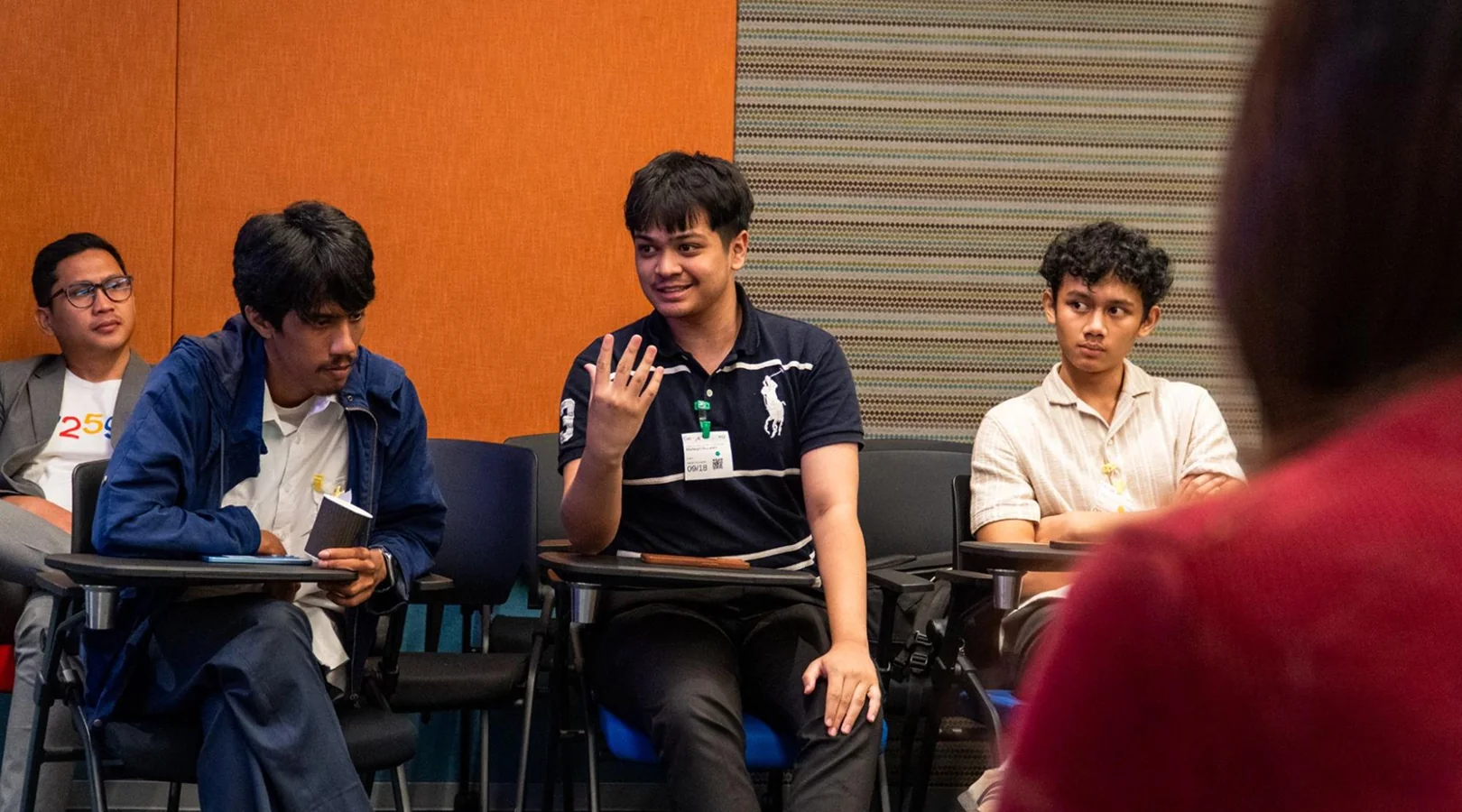
Muttaqin had expected something formal. “I expected a long table, and us sitting around it,” he said, laughing. Instead, he felt the atmosphere was relaxed and the space designed so students could articulate their ideas without feeling intimidated by the seniority of the people in the room.
In his group, a representative from Komdigi’s cyber division would drop in on the discussion and share what the government was actually doing. Muttaqin found this insightful. Many people assume the government isn’t keeping up with AI developments, but what he heard suggested otherwise. Policymakers were actively building an AI roadmap for Indonesia, consulting with stakeholders across organizations and industries. “If they didn’t care, if they weren’t really trying, then this wouldn’t have happened,” he said.
One topic that stood out to him was how educational institutions were adapting to the presence of AI tools. Academics from Binus University shared how their institution had developed a specific framework for regulating AI use in education, covering when students and faculty could use AI and when they couldn’t.
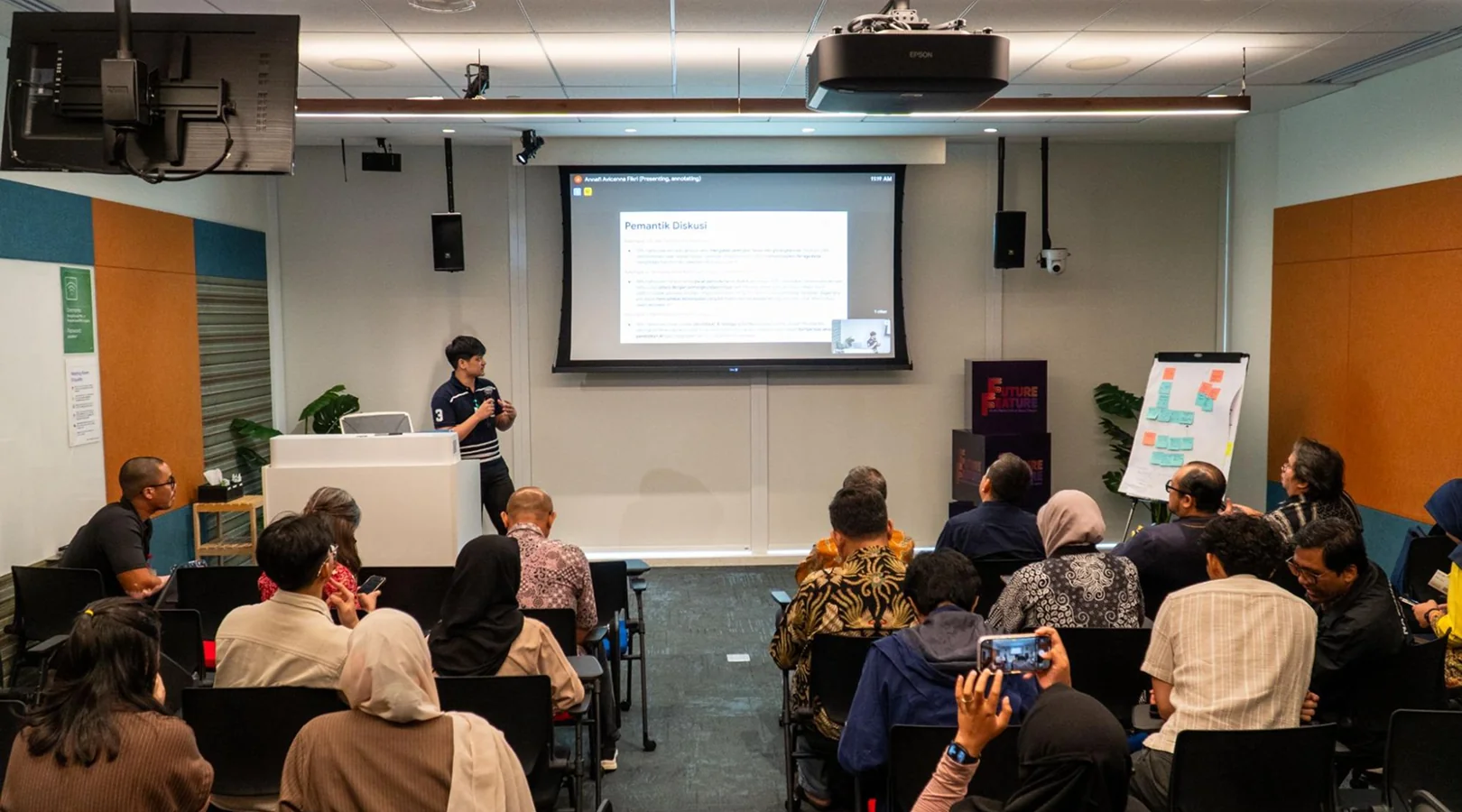
When it came time to present their group’s ideas, Muttaqin synthesized several themes from their discussion. One was the need for systematic regulation of AI, meaning that publishers of AI models should be responsible for building in ethical guardrails rather than releasing models and letting things play out. Another was the unresolved question of ownership: if someone generates AI art, can they copyright it? And what about the data the model was trained on? These questions didn’t have cut and dried answers, but the group felt they needed to be addressed.
Still, Muttaqin was candid about the limits of what the roundtable could accomplish. Students could share ideas and perspectives, he reflected, but turning them into real policy was a much more complicated process that would have to happen somewhere beyond the room.
Even so, hearing from government representatives gave him a new appreciation for the effort involved, as he learned that policymakers are actively consulting with experts and stakeholders to develop long-term strategies for AI.
“It showed me that people at different levels of organizations, even at the government level, are thinking seriously about this,” he said.
Alongside his studies, Muttaqin is building a startup focused on education. It started when he was looking for clients for a web development project and called teachers at three different schools. All of them described similar challenges: siloed learning management systems and student data scattered across platforms, making end-of-term reporting a headache.
He noticed that most AI innovation in education was focused on students — things like AI-generated quizzes or guided learning tools. But from the teacher’s side, the basic infrastructure was neglected. His startup’s goal is to reduce the time teachers spend on administrative work so they can focus on teaching and supporting students. His role as an entrepreneur has changed how he thinks about AI, now instead of simply helping him complete tasks, it has become a tool to solve real-world problems.
At the same time, the conversations from Future Feature continue to shape how he thinks about the future of AI more broadly. Moving fast brings innovation but also comes with real costs. Models get trained on data scraped without permission, users don’t get a say in what’s collected from them, and whole creative industries get undercut. Slowing down development to regulate it more strictly may address some of these concerns, but it could also limit innovation.
“That’s the crossroads we’re in,” he said. “We have to decide how we want to deal with AI.”
What he does feel sure about is that AI should not replace human thinking and raises coding as an example. “Coding is something that can be done very well with AI, but fundamentally, if we offload the thinking and planning part of how we’re going to build the software, it’s going to suck. And you need a human person to properly audit how it works, to control the quality, and make sure that in every step of the way, it does the right thing.” The same logic, he believes, applies to many other fields, including education.
“AI isn’t the enemy,” he said. “It’s a tool that can help us, but we need to know how to use it wisely.”